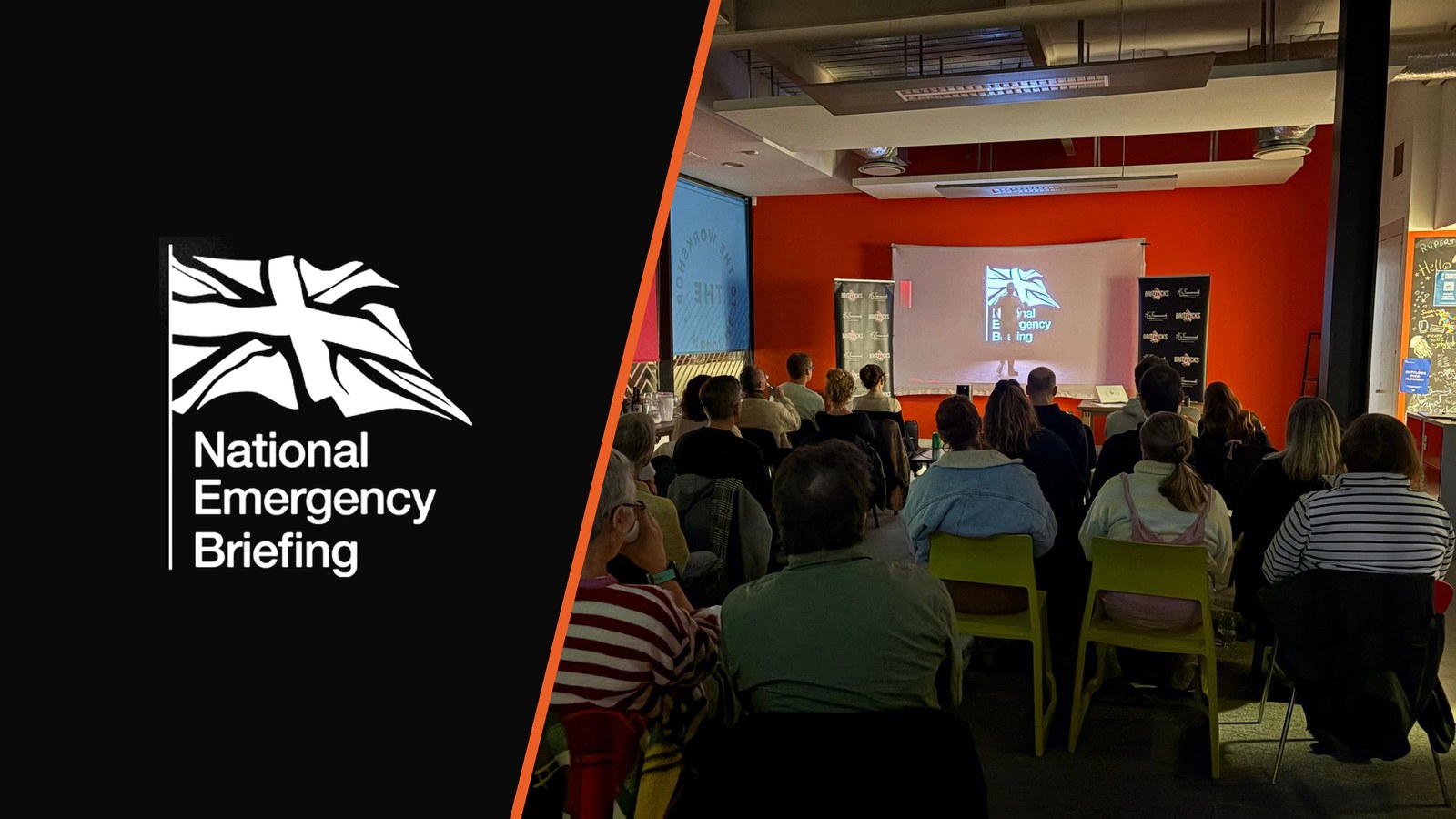
A room full of people who stayed to talk
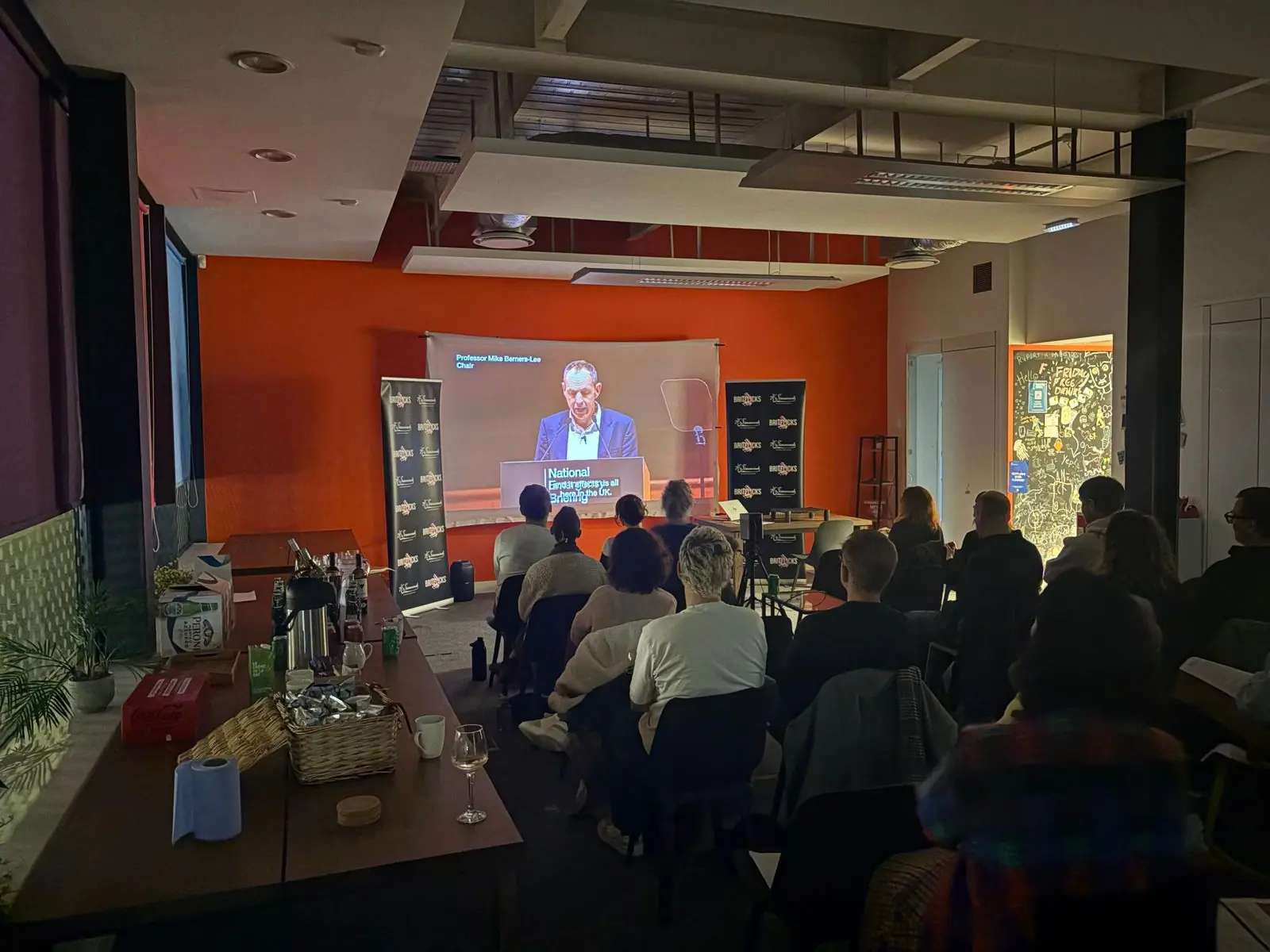
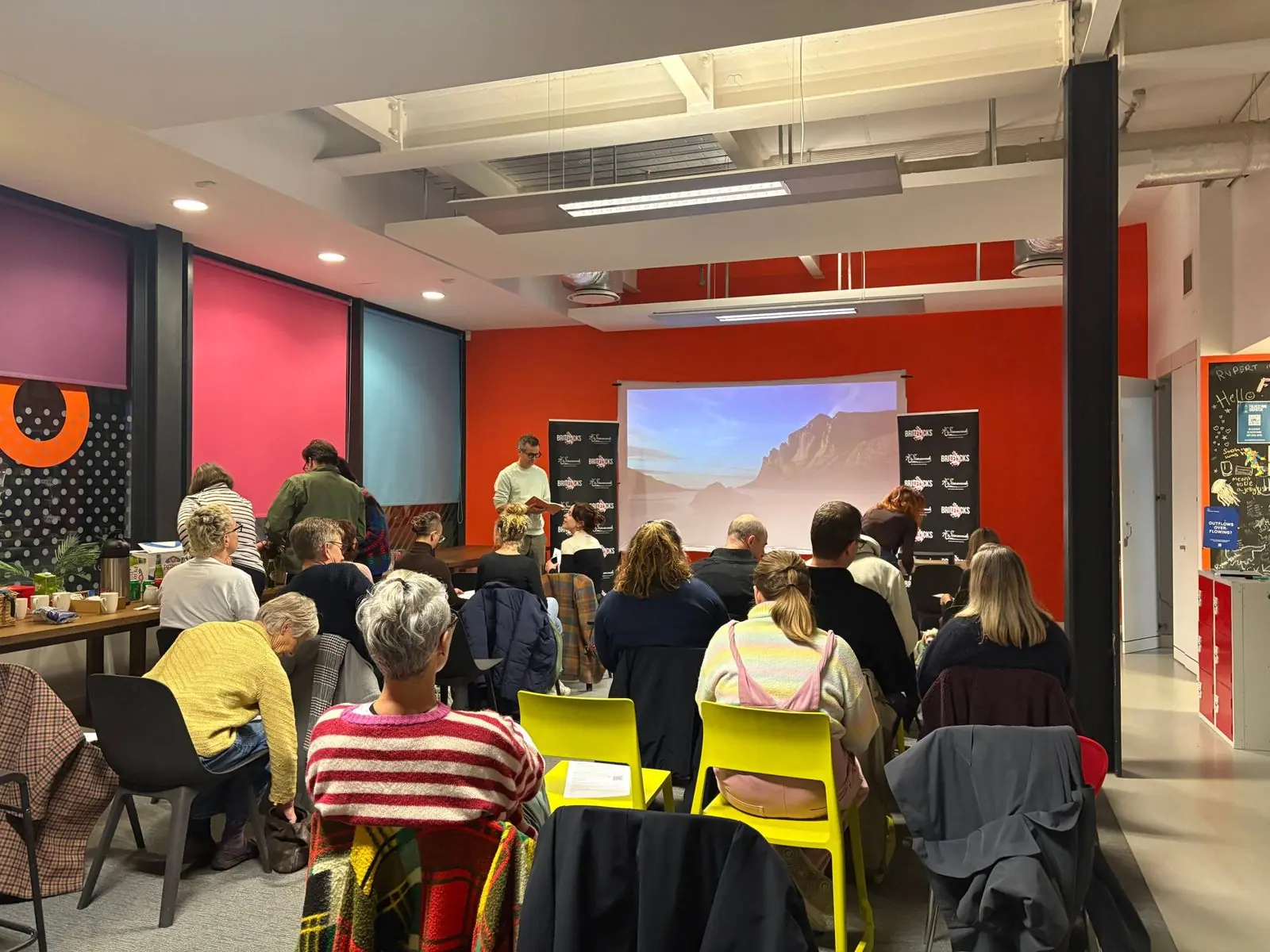
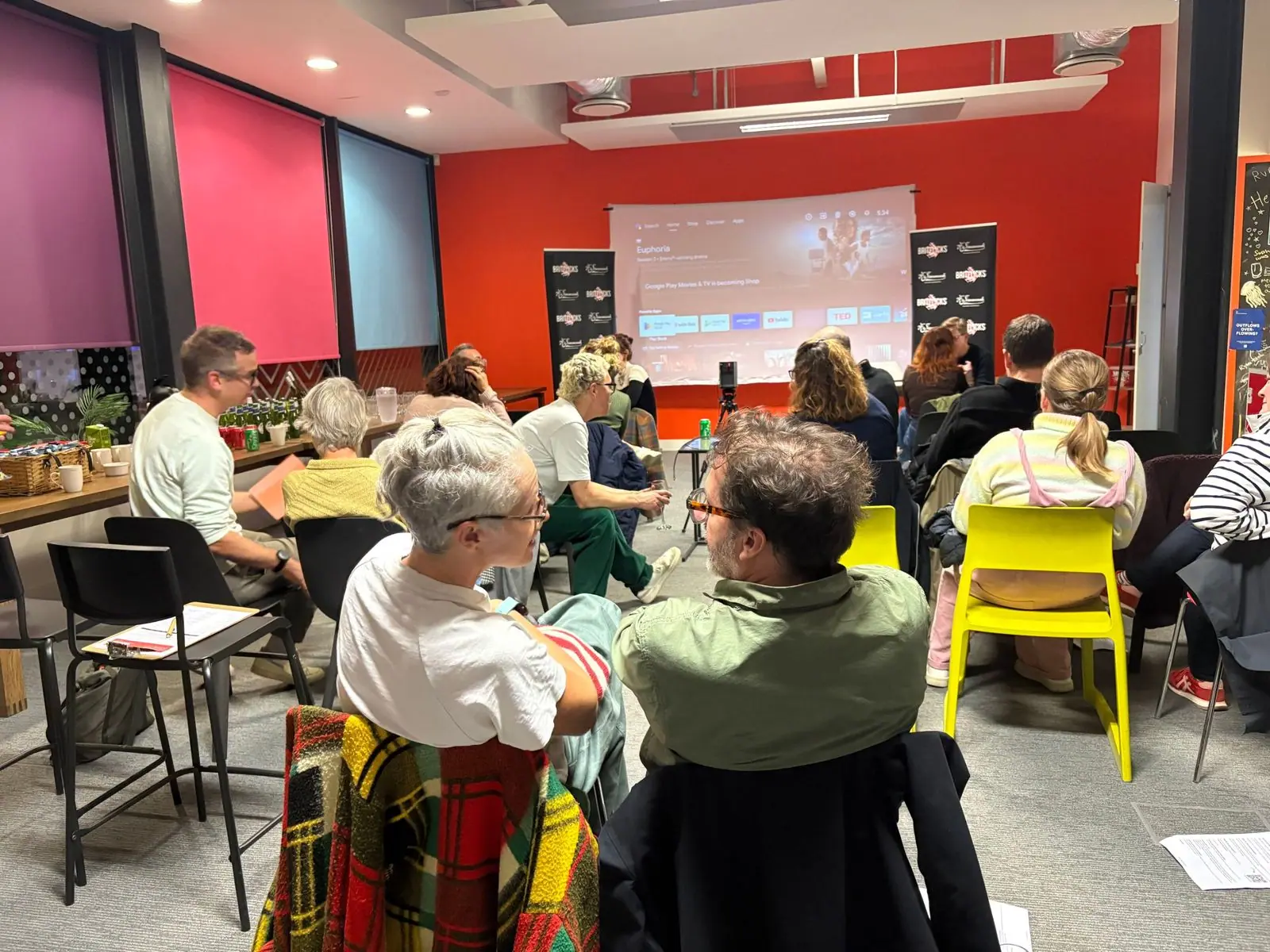
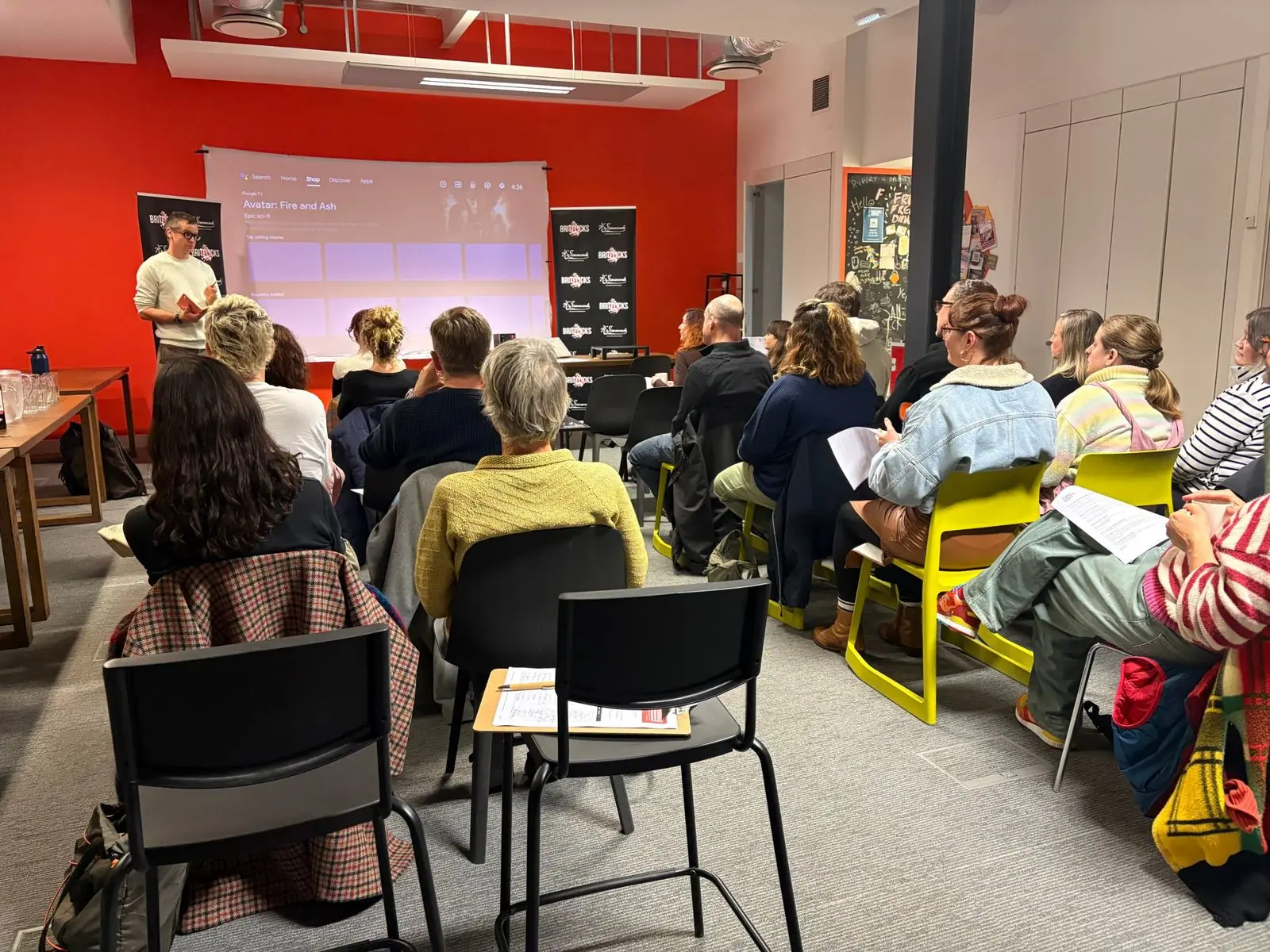
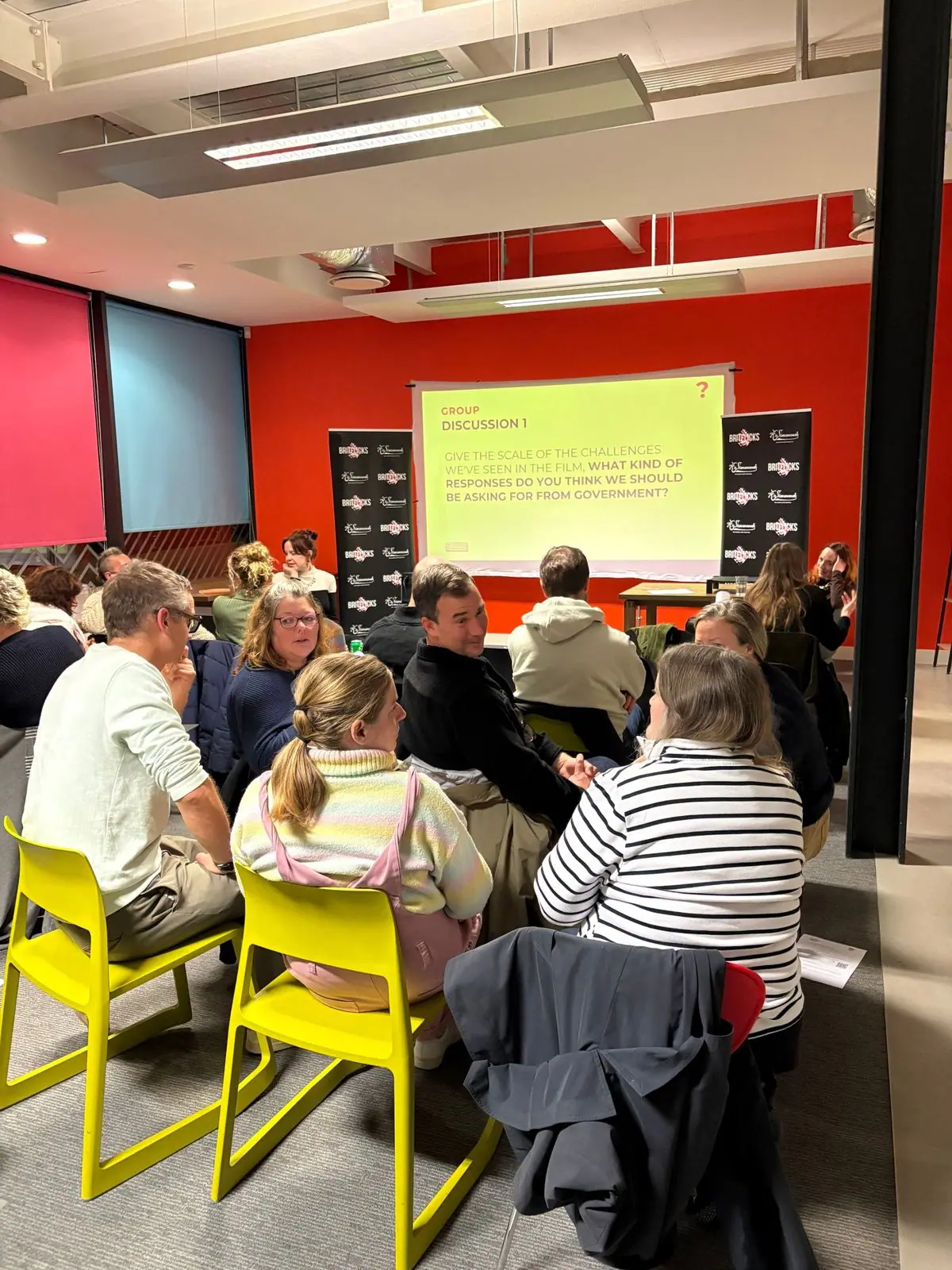
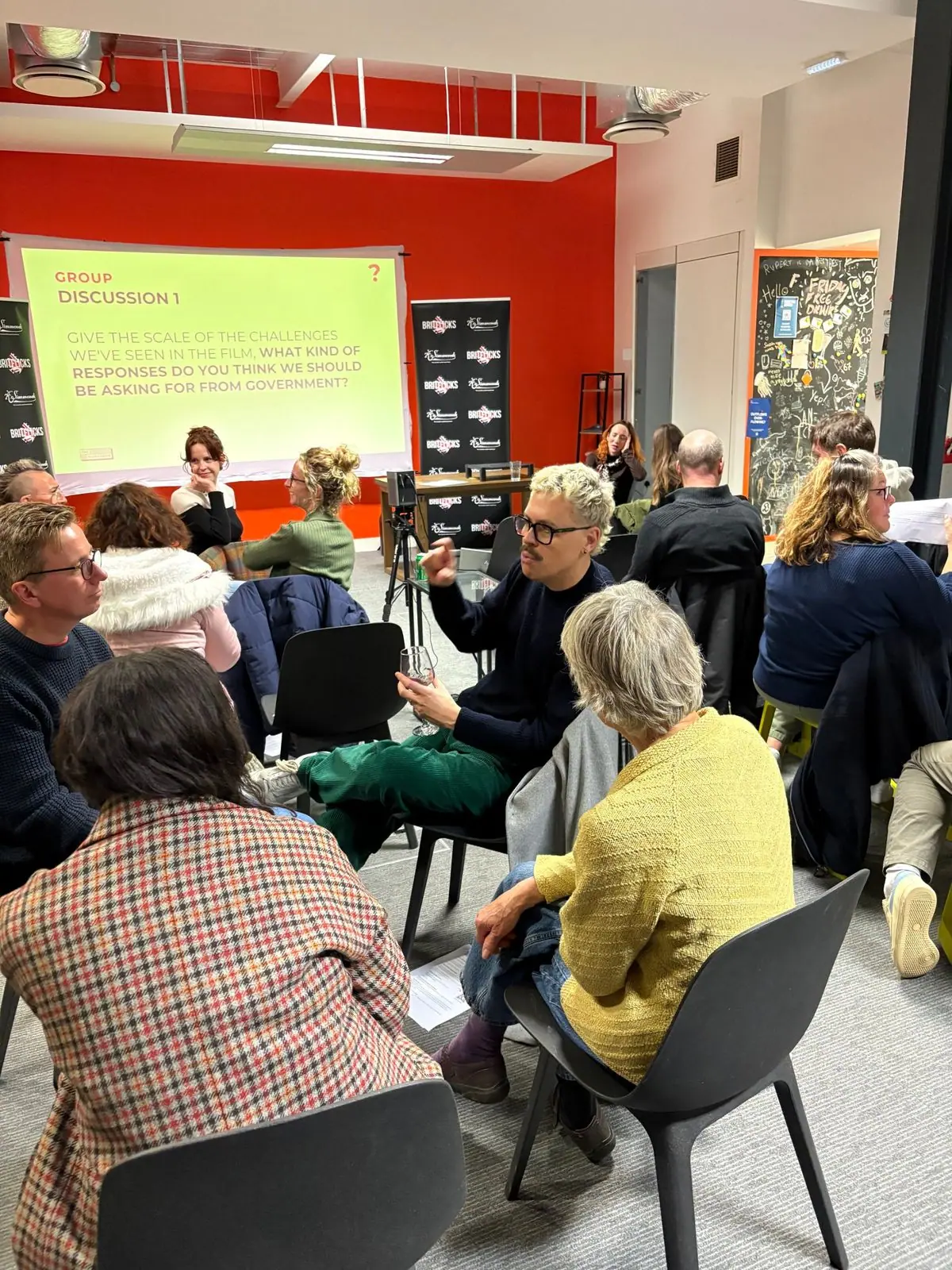
On Thursday 29 October we opened The Workshop in the evening for a community screening of the People's Emergency Briefing. It was brought to us by Ralph Legg, one of our members, and the best part of the night came after the credits rolled - most people stayed on for a proper conversation about what it means for Folkestone.
We took notes, and we wanted to share them. Not as a manifesto, but as a snapshot of what a group of local people think matters, and where they think we could start.
What is the People's Emergency Briefing?
It's a short film - around 45 to 50 minutes - made from the National Emergency Briefing held in Westminster in November 2025. Leading UK scientists and experts set out the latest evidence on climate and nature, and what it means for everyday things like our health, food, the economy and national security.
Since its release in April 2026, it's been shown in community halls, churches, cinemas and workplaces up and down the country, usually followed by a local discussion. You can find out more on the National Emergency Briefing website.
What we talked about
1. Speak the language people actually use
The biggest theme of the night was language. "Net zero" came up again and again as a phrase that switches people off. It sounds abstract, it feels like a cost, and it's easy to attack.
The room felt the case lands better when it's about everyday life - energy bills, the cost of living, feeding your family. One idea that got a lot of nods was describing nature as national infrastructure, in the same breath as roads and power lines. And people wanted clearer numbers: if we invest this much, here's what we get back.
2. Make the support match the ask
These changes don't come cheap, and several people felt the help isn't there to close the gap. Getting solar panels on your own roof was the example that came up most.
There was real interest in smarter, shared approaches - battery and backup storage, and community energy schemes where neighbours share the power they generate, like the Brooklyn Microgrid in New York.
3. Community comes first
On our own it's easy to feel powerless. Together, things get done. People tend to change their minds when they hear something from a friend, a neighbour or a colleague - through small conversations, not big campaigns.
That's also how this becomes something that goes beyond party lines. If each of us takes the film into our own circles, we can show how much support there really is.
4. What Folkestone could do
As a coastal town, Folkestone has something many places don't - the chance for local people to have a real stake in offshore wind. People also talked about a community food project to build resilience close to home.
Just as importantly, people wanted to build on what's already working. Locals growing food and giving it away, community fridges, and plenty more. Part of the job is celebrating those successes and finding where the gaps really are.
5. Know what's already out there
We don't need to reinvent the wheel. The Folkestone & Hythe Sustainable Futures Forum, supported by the district council, already runs events, connects people with ideas, and can help them apply for grants. It's led by Liu Batchelor, a fellow Workshop member, and we'd love to welcome more of the Forum's events here at The Workshop.
What you can do next
Whether you were there or not, here are a few easy ways to get involved. All of them are on the National Emergency Briefing's action page:
- Sign up for updates from the National Emergency Briefing
- Contact your MP and ask them to back the Parliamentary Call for a government emergency briefing
- Host your own screening - at work, at your club, at your kitchen table. The film is free to show, and the host-the-film page has everything you need
Coming up locally
Sustainable Futures Forum: Local Stories & Big Ideas at the Speedway on Saturday 28 November, from 2:20pm - a good chance to meet Liu and the people already doing this work in Folkestone.
Thank you
A big thank you to Ralph for bringing the film to us, and to everyone who came along and stayed to talk. It was exactly the kind of evening we want The Workshop to be known for - people from different corners of Folkestone, in one room, working something out together.
If you're part of a local group and want somewhere to host a screening, a talk or a meet-up, get in touch. We'd love to hear from you.