It's mid-November. The clocks have gone back, the sun's setting before 4.30pm and plenty of us are arriving at The Workshop in the half-light and leaving in the dark. If you've noticed your energy, mood or focus sliding over the last few weeks, you're not imagining it, and you're definitely not on your own.
This time of year can bring on seasonal affective disorder, or SAD. Below we've pulled together what it is, how to tell it apart from a general winter slump, and a quick self-check you can do in under a minute. We've also got something practical to help: six SAD lamps that members can borrow while working here.
What is SAD?
The NHS describes SAD as a type of depression that usually happens in the winter, easing off in the spring and summer. Nobody knows exactly what causes it, but it's thought to be linked to the drop in daylight. Less light may affect the brain chemicals that regulate mood and sleep, serotonin and melatonin, and knock your body clock out of sync.
The common signs include:
- a persistent low mood
- losing interest in things you'd normally enjoy
- feeling irritable, or more withdrawn from people
- feeling sluggish and sleepy during the day
- sleeping longer than usual and struggling to get up
- craving carbs and comfort food
- finding it harder to concentrate
For some people it goes further, into feeling hopeless or worthless, or having thoughts of suicide or self-harm. If that's you, please don't wait: the numbers at the bottom of this article are free and answered day and night.
SAD or just the winter blues?
A lot more people get a milder version, often called the "winter blues": a bit flatter, a bit more tired, a bit keener on the biscuit tin. SAD is the same thing turned up. It gets in the way of work, relationships and day-to-day life, and it tends to come back around the same time each year. A GP will usually look for that repeating pattern, typically over two years or more, before diagnosing it.
Either way, the things that help are broadly the same, and they're worth doing whichever end of the scale you're on.
It might be worth speaking to your GP
Your answers suggest winter is having a real effect on how you feel, and it sounds like it's a pattern for you. That can be a sign of SAD, and the good news is it's very treatable.
Book a chat with your GP. They can talk through options including light therapy, talking therapies and medication. In the meantime, get outside around midday and try not to go it alone.
Sounds like the winter blues
You're feeling the darker days, like a lot of people right now. It's probably not SAD territory, but it's worth looking after yourself before it builds.
Try a lamp for 20 to 30 minutes in the morning, get some daylight at lunch and keep your routine steady. If things get worse or it starts affecting your work, speak to your GP.
You seem to be weathering it well
Winter doesn't seem to be hitting you too hard, nice one. Keep doing what you're doing: daylight, movement and people all help.
You're still welcome to try a lamp if you fancy a boost on a grey morning.
This check is for general awareness only and isn't a medical assessment. If you're worried about your mental health, please speak to your GP. If you need help urgently, call NHS 111 (option 2) or Samaritans on 116 123.
Our SAD lamp initiative
Light therapy is one of the most common ways people manage SAD. It means sitting near a special lamp, often called a light box, that gives off much brighter light than normal indoor lighting, to make up for the daylight you're missing. It isn't usually available on the NHS, because there isn't yet enough evidence to say for sure whether it works, but many people find it helps. Think of it as one tool rather than a cure.
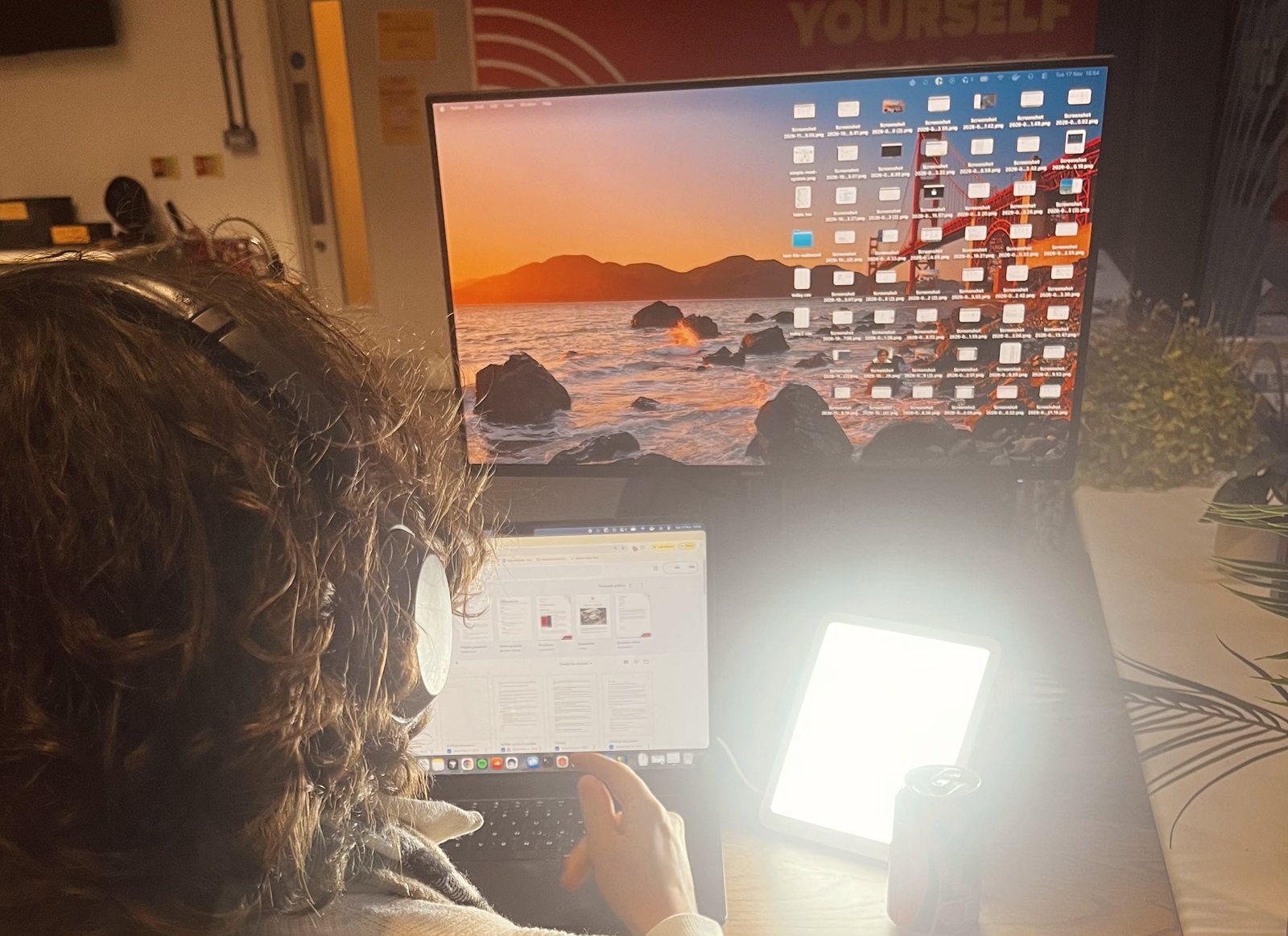
Decent lamps aren't cheap, so we've got six SAD lamps for members to use while they work. Here's how it works:
- Pick one up from reception and take it to your desk, office or wherever you're working that day.
- Use it in the morning if you can. That's when light therapy tends to work best. Around 20 to 30 minutes is a good starting point; build up if it suits you.
- Set it off to one side, roughly arm's length away and angled towards you. You don't need to stare at it. Just carry on with your emails and let the light do the work.
- Avoid late in the day. A bright lamp in the evening can make it harder to sleep, which rather defeats the point. Early afternoon at the latest.
- Bring it back when you're done so the next person can use it.
A quick word of caution: the NHS suggests speaking to a GP before trying light therapy. That matters most if you have an eye condition, have bipolar disorder, or take any medicine that makes you more sensitive to light (some antibiotics, acne treatments and St John's Wort, for example). If a lamp gives you headaches or eye strain, or makes you feel agitated, stop using it.
Other things that genuinely help
- Get outside in daylight, ideally around midday when it's brightest. A lunchtime walk along the Harbour Arm or the Leas counts for a lot.
- Sit near a window where you can. If your usual spot is a bit gloomy, ask us and we'll help you find a brighter one.
- Keep moving. Regular exercise is one of the best mood boosters going, winter or not.
- Keep your routine steady. Similar wake-up and bed times help keep your body clock on track.
- Don't hibernate. Isolation makes winter harder. Come along to a coffee morning or one of our evening events, or just work somewhere you'll bump into people.
- Talk to someone. A friend, a fellow member, or us. And if things feel heavy, speak to your GP.
When to get help
If you're struggling to cope, if low mood is getting in the way of your work and life, or if the self-check above suggested it, book an appointment with your GP. SAD is very treatable, with talking therapies and medication available alongside light therapy. For more information, the NHS guide to SAD is a good place to start.
If you ever feel like you can't cope or are in crisis, call NHS 111 (option 2 for mental health) or Samaritans on 116 123, free, any time of day or night.
And if you just fancy a lamp and a chat, come and find us at reception.